By Yosef Golowa, MD, FSIR · Published April 14, 2026 · 2 min read
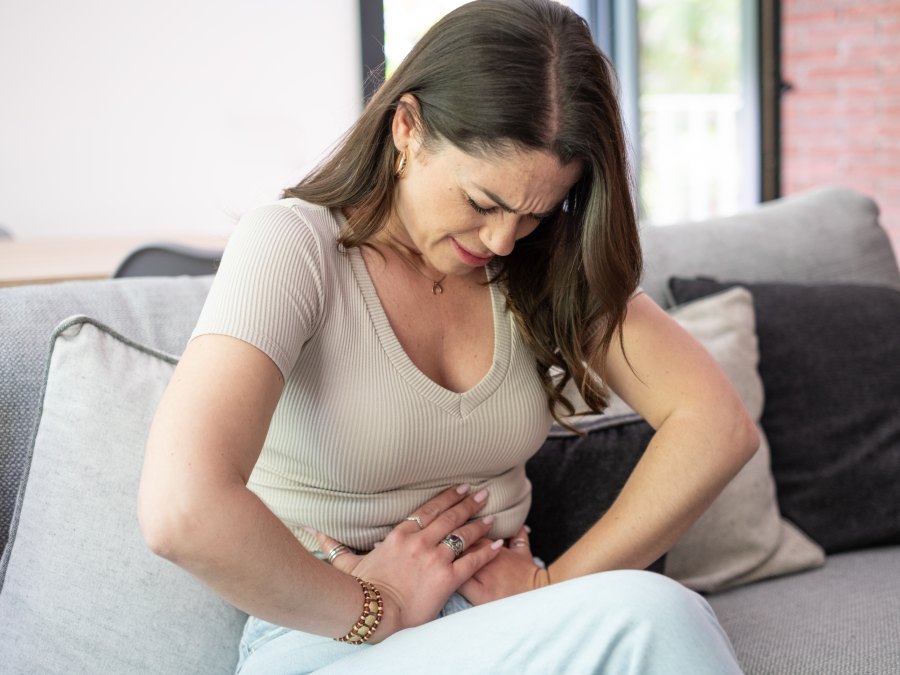
Pelvic pain after pregnancy is common, and often harmless. But if your pain is severe, long-lasting, or accompanied by other symptoms, it may need treatment. One cause worth knowing about is pelvic congestion syndrome (PCS), which involves veins swollen with pooled blood in the pelvis.
What causes pelvic pain after pregnancy
A range of factors can produce persistent pelvic pain after childbirth:
- Constipation, particularly if you are eating less or are dehydrated.
- Pain following a cesarean section.
- Damage to the pelvic floor related to vaginal delivery.
- Muscle strain or weakness.
- Pelvic bone problems.
- Pelvic floor dysfunction.
- Pelvic congestion syndrome.
- Urinary tract infection.
- Scar tissue from childbirth.
If the pain persists or becomes severe, it is time to seek professional assessment rather than wait it out.
Signs it may be pelvic congestion syndrome
Pain from PCS is chronic, meaning it lasts longer than six months, and it usually starts soon after giving birth. It happens when veins in the pelvis become congested or dilated. They bulge or twist, much like varicose veins in the legs, and that causes pain.
PCS pain often worsens toward the end of the day, before and during periods, and during or after sex. Sitting or standing for long stretches makes it worse. The pain tends to feel like a dull or heavy ache, and it may affect only the left side.
Other signs include varicose veins in surrounding areas such as the vagina, vulva, or buttocks. PCS can also cause frequent constipation or diarrhea, painful urination, and stress incontinence, which causes urine leakage with movements like sneezing or laughing.
Treatment
If you are diagnosed with PCS, treatment is built around your symptoms and overall health. Depending on the case, that may mean hormone therapy or gonadal vein embolization.
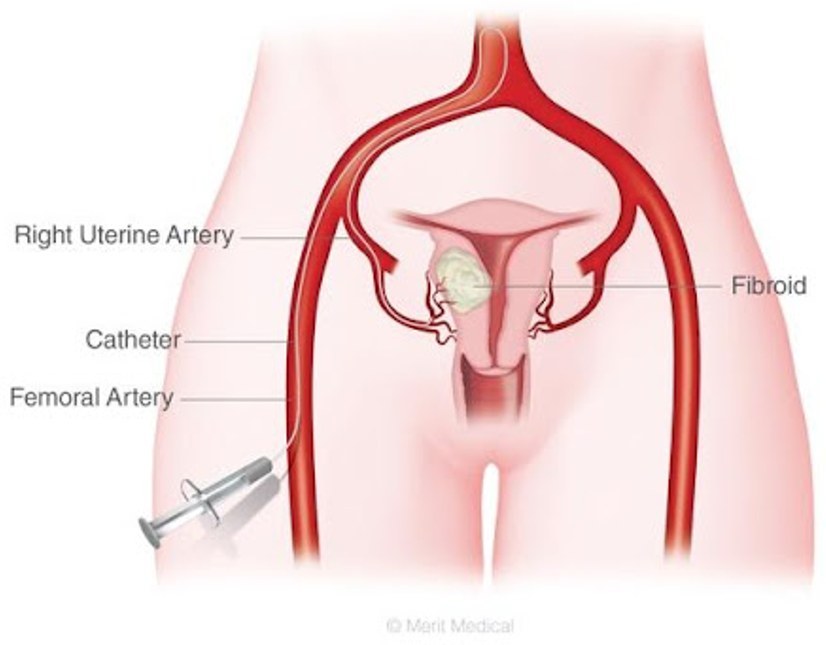
Gonadal vein embolization reduces pressure on the problematic veins. As a safer and less invasive alternative to hysterectomy and other surgery, it involves less pain and a quicker recovery.
To learn more, or to find out which treatment suits your needs, call our office at (212) 991-9991 or book an appointment with Dr. Golowa.