By Yosef Golowa, MD, FSIR · Published May 26, 2026 · 2 min read
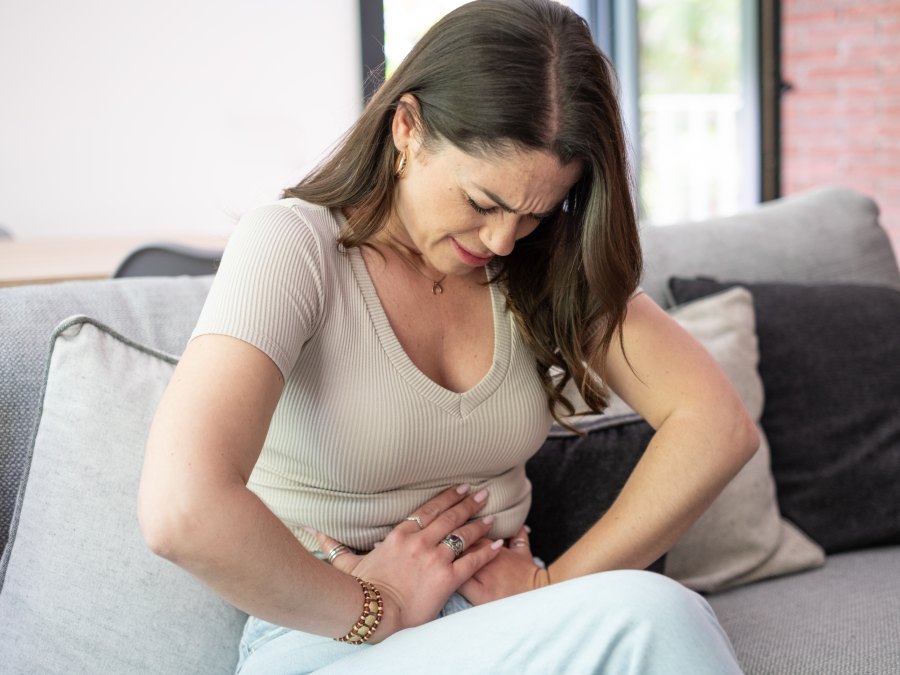
Most people who menstruate deal with pelvic pain now and then. If your pelvic pain carries on for at least six months, regardless of where you are in your cycle, you may be dealing with pelvic congestion syndrome (PCS).
Major surgery can treat this painful condition. But you do not have to go under the knife to get lasting relief.
Pelvic congestion syndrome basics
PCS affects blood flow in the pelvis because of faulty veins. They are essentially internal varicose veins, the same kind that visibly bulge in many people's legs. As those veins widen, twist, and overfill, blood pools in the pelvis, and the result is pain.
PCS pain often worsens during and after periods and sex. You may notice more pain at the end of the day or after standing for long periods. It can also cause diarrhea, constipation, painful urination, and urinary incontinence.
Anyone with a uterus can develop PCS, but the odds are highest between ages 20 and 45. Other risk factors include having given birth more than once, a personal or family history of varicose veins, and polycystic ovarian syndrome.
Treatment options
The right treatment depends on your symptoms and overall health. In some cases medication is enough, and hormone therapy in the form of progesterone or a gonadotropin-releasing hormone drug may be recommended.
In rare cases a hysterectomy, meaning removal of the uterus, fallopian tubes, and ovaries, is used to treat PCS. Numerous less invasive options exist, and Dr. Golowa specializes in gonadal vein embolization.
How gonadal vein embolization works
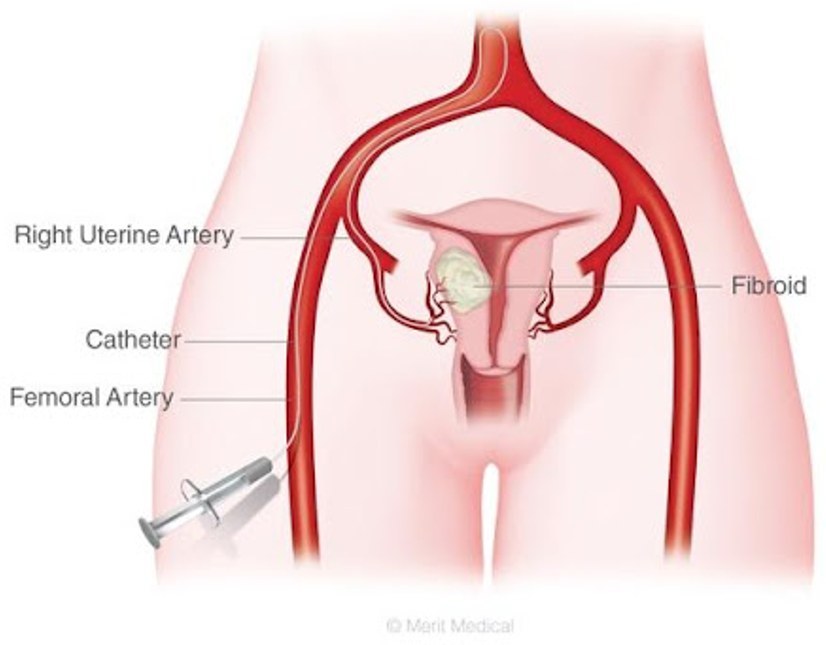
Gonadal vein embolization reduces pressure on the varicose veins in the pelvis. During the procedure, an agent is delivered into the problematic vein through a catheter. It irritates the vein lining, which leads to the vein closing off. Blood then flows through nearby healthy veins instead.
What the results look like
Individual results vary, but gonadal vein embolization has been reported to reduce pelvic congestion syndrome symptoms in 68 to 100% of patients. That makes it a compelling alternative to hysterectomy, which leaves ongoing pain in up to 30% of cases.
Because it requires only a needle puncture, there is no hospital stay, no surgical incision, and a far shorter recovery.
To learn more about gonadal vein embolization, or to find out whether you are a candidate, call our office at (212) 991-9991 or book an appointment with Dr. Golowa.