By Yosef Golowa, MD, FSIR · Published April 28, 2026 · 4 min read
Venous leak, or veno-occlusive dysfunction, is a condition that can significantly affect erectile function. It occurs when blood that should stay trapped in the penis to maintain an erection drains back into the veins too quickly, making a firm erection difficult to achieve or to keep. It is a sensitive subject, but understanding the treatments available is the first step toward regaining confidence.
This article walks through the full range of options, from what you can change yourself to what can be done procedurally. If you want to understand the condition itself first, start with why you can get an erection but not keep it.
Understanding the problem
Before considering treatment, it helps to understand the mechanism. A healthy erection relies on a complex interplay of blood flow, nerve signals, and smooth muscle relaxation. When a man becomes aroused, the arteries in the penis widen and blood rushes in. At the same time, the veins that normally drain blood away are compressed, trapping the blood and maintaining the erection.
In venous leak, those veins continue to drain. Blood escapes, and the erection weakens.
Exploring treatment options
Several treatments may address venous leak, ranging from lifestyle changes to procedural interventions. The right approach depends on the severity of the leak and on your overall health.
1. Lifestyle modifications
- Weight management. Obesity contributes to vascular problems, including venous leak. Reaching and holding a healthy weight through diet and exercise improves blood flow and vascular health generally.
- Regular exercise. Physical activity, and cardiovascular exercise in particular, promotes healthy circulation and strengthens the cardiovascular system.
- Stopping smoking. Smoking damages blood vessels and impairs blood flow, making venous leak worse. Quitting is one of the most effective things you can do for vascular health.
- Limiting alcohol. Excessive alcohol affects erectile function directly and contributes to vascular problems over time.
- Managing stress. Stress and anxiety contribute to erectile dysfunction. Meditation, exercise, or therapy can all help.
2. Oral medication
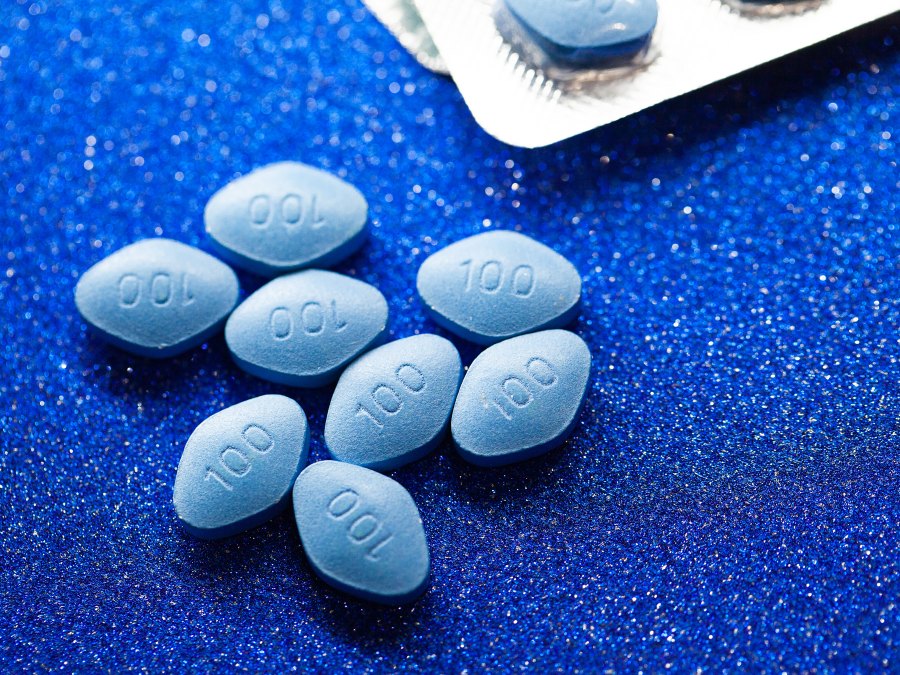
PDE5 inhibitors. Medications such as sildenafil (Viagra), tadalafil (Cialis), and vardenafil (Levitra) work by relaxing smooth muscle and increasing blood flow into the penis. They primarily target arterial insufficiency, but they can sometimes improve erections in men with a mild venous leak by maximizing the blood flow available. They do not repair the veins themselves, which is why they often disappoint when the leak is significant.
3. Injection therapy
Intracavernosal injections. Medication is injected directly into the penis to relax smooth muscle and increase blood flow. Alprostadil, or Trimix, a combination of medications, can be effective for some men with venous leak. It requires self-injection each time.
4. Vacuum erection devices
A vacuum device draws blood into the erectile tissue, and a constriction ring placed at the base of the penis holds it there. This does not address the underlying leak, but it can provide a workable solution for some men.
5. Procedural treatment
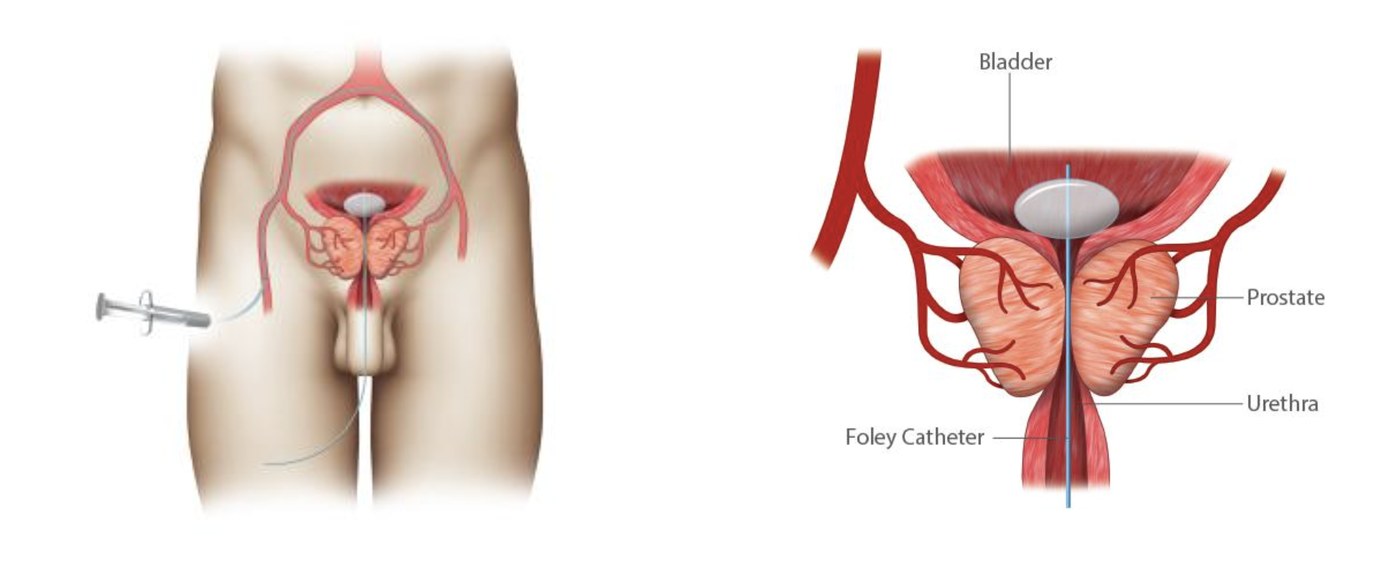
Venous leak embolization. When conservative measures and medication have not worked, or are not wanted, a procedure can be considered to close the leaking veins. This is done through a small needle puncture access into the veins, delivering an agent that blocks the abnormal drainage. It is minimally invasive, performed in an outpatient setting, and it targets the cause rather than working around it. You can read more on the venous leak embolization page.
Penile revascularization. This surgical procedure aims to improve arterial blood flow into the penis. It is complex, and it is generally reserved for cases where arterial insufficiency is the contributing factor rather than venous leak itself.
6. Psychological support
Erectile dysfunction carries a real psychological weight. Counseling or therapy can help address the anxiety, low mood, or relationship strain that may be contributing to the problem, or resulting from it. This is worth considering alongside any physical treatment rather than instead of it.
Finding the right approach for you
If your erection fails specifically when you change position, that pattern is covered in this article.
There is no single answer that suits every man. Mild leaks sometimes respond well to lifestyle changes and medication. More significant leaks usually need a treatment that addresses the drainage directly. The only way to know which category you fall into is a proper assessment, including a penile Doppler ultrasound.
To learn more about venous leak embolization, or to find out whether you are a candidate, call our office at (212) 991-9991 or book an appointment with Dr. Golowa.