By Yosef Golowa, MD, FSIR · Published July 28, 2026 · 3 min read
Pelvic congestion syndrome (PCS) is a common reason for ongoing pelvic pain in women. The pain is usually described as a constant or intermittent ache in the lower abdomen or pelvis. Symptoms often worsen around the menstrual cycle, but can be felt throughout the month. It is frequently underdiagnosed, and it can be treated effectively once it is correctly identified.
What causes it
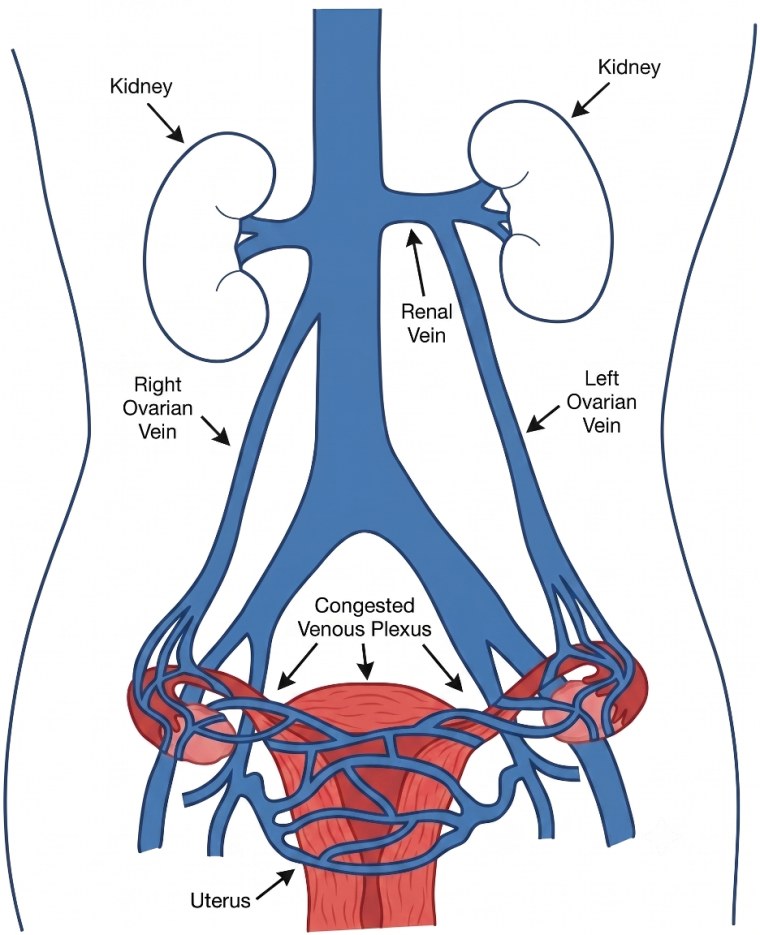
There are different theories, but PCS is usually seen alongside large dilated veins in the pelvis, around the uterus and ovaries, visible on ultrasound, CT, or MRI. Normally veins carry blood away from organs. In PCS the veins around the ovaries and uterus become widened, like varicose veins in the legs, and the valves inside them stop working properly. Blood flows backward and pools in the pelvis, stretching those veins, which leads to pressure and pain.
Contributing factors include:
- Genetics. It can run in families.
- Anatomy. The way your veins are formed.
- Hormones. Changes in hormone levels, particularly estrogen, bring more blood to the region and can worsen pain.
- Pregnancy. Pregnancy increases the size of pelvic veins, and those changes can persist after giving birth.
- Pressure on the veins. Other structures can compress the pelvic veins and cause problems, as in May-Thurner syndrome.
Symptoms
The main symptom is a dull ache or feeling of heaviness in the pelvis, which may come and go but persists for months. Others include:
- Pain that worsens when standing for long periods, walking, or lifting.
- Pain that is worse before or during your period.
- Pain that worsens with each pregnancy.
- Pain during or after sex, which can last into the next day.
- Pain that is worse at the end of the day.
- Tenderness when your doctor examines the pelvis.
- Sometimes, visible varicose veins on the vulva or upper thighs.
How it is diagnosed
- Ultrasound. Usually the first test. It shows whether the pelvic veins are widened and whether blood is flowing backward.
- CT or MRI. These give more detailed pictures of the pelvis, though they are not always needed.
- Venography. The most accurate test, usually reserved for when other tests are unclear. Dye is injected into the pelvic veins through a needle puncture and X-rays show how the blood flows.
How it is treated
Medication. Pain relievers help manage symptoms. Hormone treatments such as birth control pills, progestins, or GnRH agonists can reduce pain. Phlebotonics may help vein health.
Physical therapy and counseling. Exercises can strengthen pelvic muscles, and support helps with coping with chronic pain.
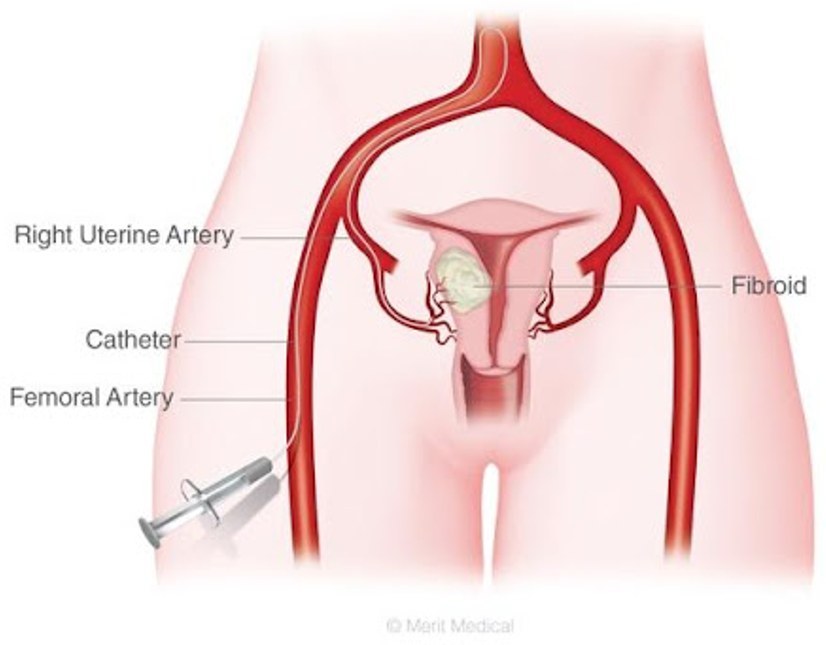
Pelvic vein embolization. A minimally invasive procedure in which a thin tube is guided to the widened pelvic veins under X-ray guidance, and small coils or other materials are used to close them off, reducing pooling and pain. This is often the most effective treatment.
Surgery, which is far less common. Tying off or removing the affected veins, or a hysterectomy with removal of the ovaries, may occasionally be considered once childbearing is complete. These are usually unnecessary and considerably more invasive, given the high success rate of embolization.
The outlook
With appropriate treatment, women with PCS can experience significant and durable pain relief. Pelvic vein embolization has shown good long-term results. Symptoms may also improve after menopause, as hormone levels change.
Who treats it matters
It is important to seek treatment from a vascular specialist with specific experience in this condition, who can make the correct diagnosis and build the right treatment plan. Misdiagnosis is the most common reason women live with this for years.
To learn more, call our office at (212) 991-9991 or book an appointment with Dr. Golowa.