By Yosef Golowa, MD, FSIR · Published May 1, 2026 · 2 min read
A swollen left leg can be alarming and potentially serious. Thankfully, most causes, including May-Thurner syndrome, are highly treatable.
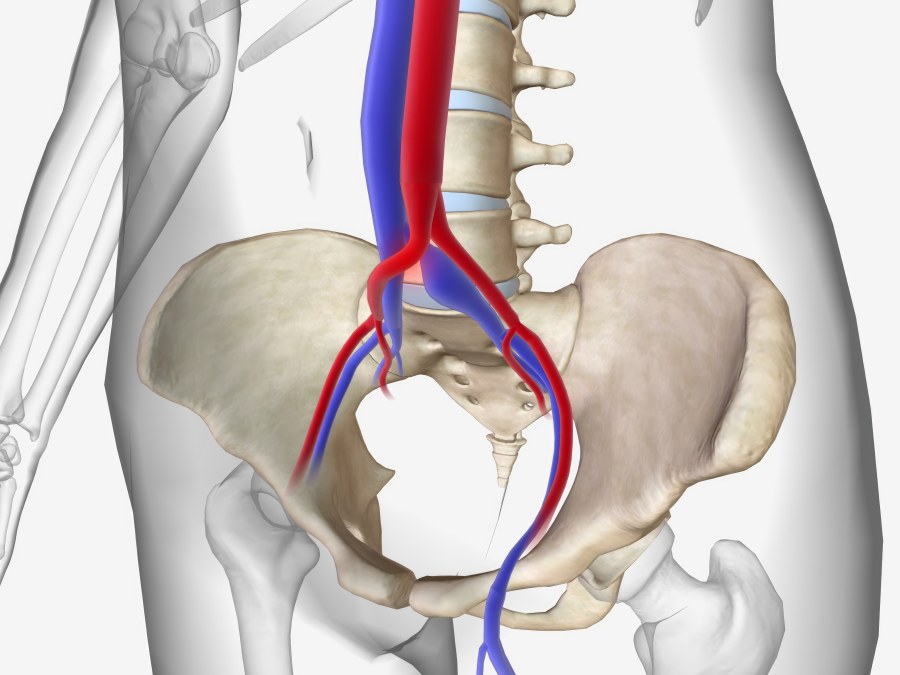
One of the most common causes of left leg swelling, May-Thurner syndrome (MTS), involves compression of the left iliac vein, the main vein carrying blood from your left leg back to your heart, by the right iliac artery that crosses over it.
With his expert team at our Midtown Manhattan, New York, practice, double board-certified vascular and interventional radiologist Dr. Yosef Golowa specializes in treating vascular diseases, including MTS. Learn more about May-Thurner Syndrome.
May-Thurner syndrome symptoms
Your right iliac artery is a major blood vessel that extends from the largest abdominal artery and supplies blood to your pelvis, reproductive organs, and right leg. When you have May-Thurner syndrome, your right iliac artery presses on your left iliac vein, the main transporter of blood from your left leg to your heart.
About 20% of people have iliac vein compression, but only some of these people develop symptoms. Beyond left leg swelling, your symptoms may include:
- Heavy sensations
- Ulcers (open sores)
- Pain
- Skin discoloration
- Swelling
- Varicose veins
Your symptoms may worsen during pregnancy or during lengthy periods of sitting or standing. Surgical procedures can also cause increased symptoms.
May-Thurner syndrome risk factors
Anyone can develop May-Thurner syndrome, but being female or aged 20-50 increases your risk. Once you have it, your likelihood of developing leg swelling and other symptoms is highest if you develop the blood clot condition, deep vein thrombosis (DVT).
Because May-Thurner syndrome can stand in the way of normal blood flow back to your heart, the blood can pool in your legs, resulting in a blood clot and DVT.
May-Thurner syndrome treatment
If you develop DVT and its most serious complication, a pulmonary embolism, you need emergency medical care. Signs of a pulmonary embolism include coughing up bloody mucus, heart palpitations, shortness of breath, and chest pain that intensifies when you inhale.
For milder symptoms, such as nonemergency leg swelling and pain, you may benefit from surgery or stenting to reposition or open the iliac vein, medication, or bypass surgery.
Dr. Golowa specializes in minimally invasive vascular treatments. He can determine your best option after an exam and a review of your symptoms and medical history.
Balloon angioplasty paired with stenting is the main nonsurgical MTS treatment. Using digital imagery, this procedure uses a balloon catheter (a thin tube), typically inserted in the groin, to open the narrowed vein. From there, a mesh stent helps prevent further compression.
To learn more about left leg swelling from May-Thurner syndrome, or to inquire about minimally invasive treatment, call our office today at (212) 991-9991. You can also book an appointment with Dr. Golowa through our website.