By Yosef Golowa, MD, FSIR · Published November 1, 2024 · 3 min read
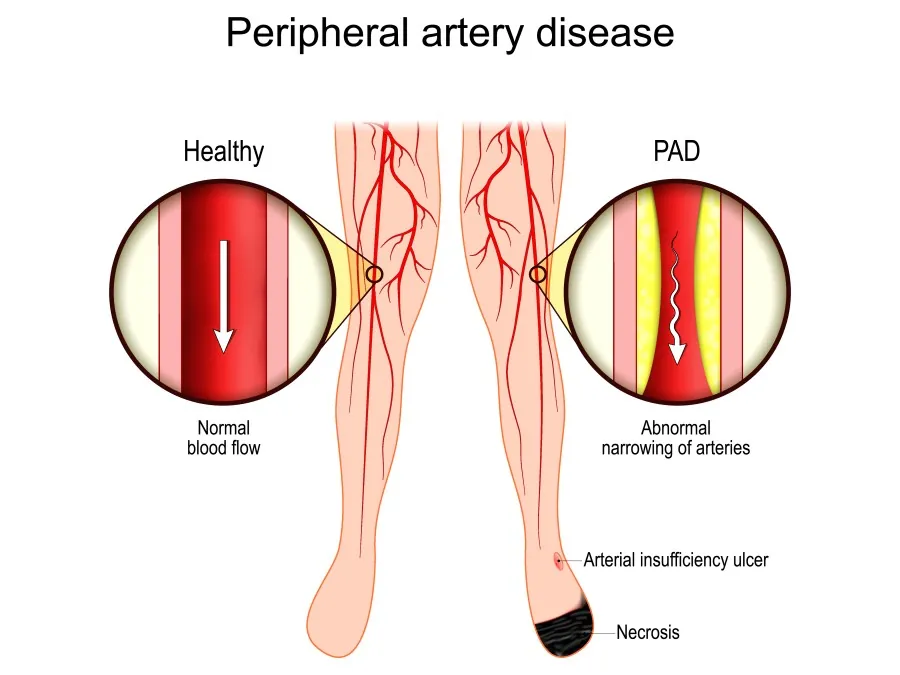
Healthy blood vessels carry oxygen-rich blood throughout your body. When you have peripheral artery disease (PAD), your blood vessels gradually narrow or become blocked. This disrupts blood circulation, particularly in your legs and feet, making way for bothersome symptoms.
If you have this common condition, read on to learn how to reduce your symptoms.
What causes PAD
More than anything, atherosclerosis – or plaque buildup within your artery walls – causes peripheral artery disease. The plaque limits how much blood can flow to your limbs, keeping essential nutrients and oxygen from these parts.
Less common PAD causes include arm or leg injuries, irregular anatomy of your ligaments or muscles, and infections. Coronary artery disease (CAD), type 2 diabetes, and hypertension. Smoking can also contribute.
Your risk for PAD increases with age, particularly after age 50 or menopause. In the United States, up to 30% of adults have this disease.
Common PAD symptoms
For about 50% of people, PAD causes no noticeable symptoms. When symptoms do arise, they often include:
- Aching or burning foot or leg pain
- Bluish-red lower extremities
- Painful leg cramping during exercise (intermittent claudication)
- Altered skin temperature or texture on your legs or feet
- Leg paleness once elevated
- Hair loss on your legs
- Erectile dysfunction
- Mobility problems
- Ankle or heel wounds that won’t heal
- Weak, heavy, or numb legs or feet
These symptoms tend to worsen over time. Severe cases can lead to gangrene: the death of body tissue that can lead to the need for amputation. Left untreated, with or without symptoms, PAD can result in heart attack or stroke.
How to reduce your PAD symptoms
Lifestyle changes and medical treatments can help reduce your PAD symptoms and slow down the condition’s progression. Eating a diet that emphasizes heart-healthy foods, like vegetables, fruits, whole grains, fish, and legumes, for example, can improve your arterial health. Routine exercise, positive sleep habits, managing stress, and routine checkups can help, too.
Medical treatments for PAD include oral medication, aggressive treatment for an underlying disease, like diabetes, or vascular surgery.
How balloon angioplasty helps
For advanced PAD that doesn’t respond fully to lifestyle changes and medication, your doctor may recommend balloon angioplasty. This minimally invasive procedure widens your leg arteries using a tiny balloon, inserted through a catheter. Once the balloon is in place, the balloon is inflated to flatten plaque for enhanced blood flow.
You might need a stent during the procedure as well. This mesh tube keeps the affected artery open and may release medication to prevent plaque buildup. Excess plaque can also be removed through a procedure called atherectomy.
As your arteries improve, your symptoms should diminish, along with your risk of PAD complications. Research has linked balloon angioplasty with reduced artery narrowing, a decreased need for additional procedures, and a lower risk for amputation in people with PAD.
If you have symptoms of PAD, such as leg pain when you walk, talk with your doctor about testing and the treatment options that fit your situation.