5 Questions to Ask Your Doctor About Pelvic Congestion Syndrome
If you have pelvic congestion syndrome (PCS), asking your doctor the right questions can help ensure a positive outcome. Read on to learn more.
Read the articleHome / Patient resources / Article
More pain is the last thing you want when you have pelvic congestion syndrome. Learn five things that can exacerbate matters, plus treatments that can bring lasting relief.
Pelvic pain is never fun, but when it becomes chronic – lasting for six months or longer – it can feel like a frustrating nightmare. And such pain often stems from pelvic congestion syndrome. Effective treatments are available, thankfully.
At his Midtown Manhattan practice, double board-certified radiologist Dr. Yosef Golowa specializes in nonsurgical treatments for pelvic congestion syndrome so you can lead a fuller, more comfortable life. Learn more about Pelvic Congestion Syndrome.
Let’s take a closer look at this painful condition, including five things that worsen matters and ways we can help.
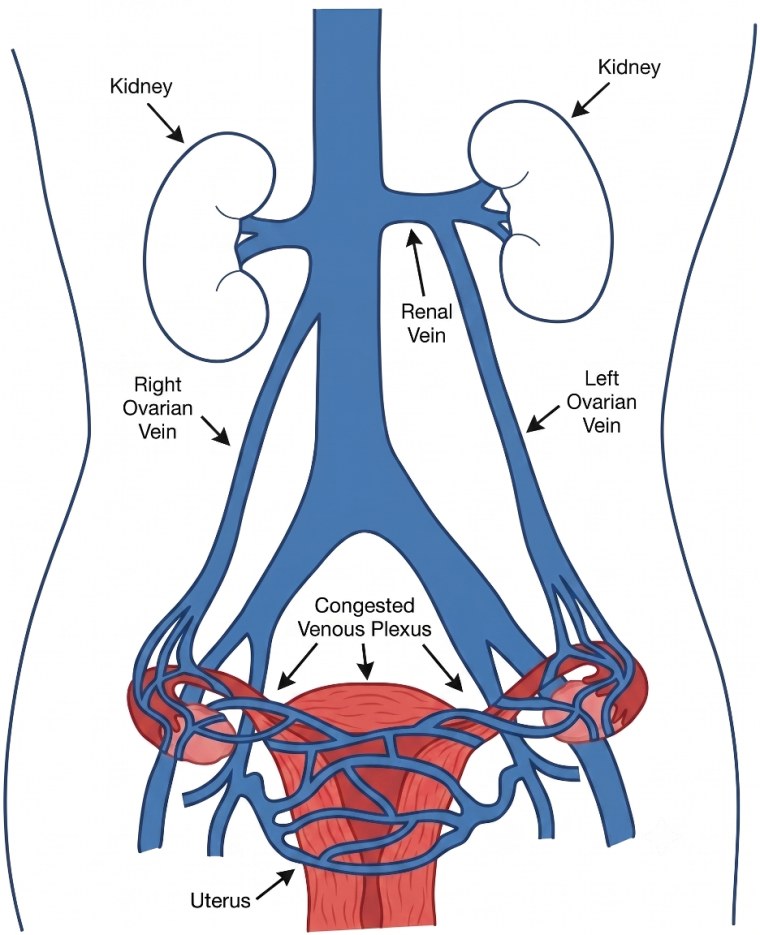
When you have pelvic congestion syndrome, problematic veins in your pelvic region lead to a buildup of blood. When that happens, the veins change shape and size, similar to varicose veins you might develop in your legs.
While anyone can develop pelvic congestion syndrome, it’s especially common in women aged 20-45 and those who’ve given birth multiple times, rarely unfolding after menopause. Having polycystic ovarian syndrome (PCOS) or a family history of varicose veins also raises your risk.
Pelvic pain is the main symptom, but pelvic congestion syndrome can also cause particularly painful periods, sudden urges to urinate, and visibly large or distorted veins in your thighs, buttocks, or vulva.
Pelvic congestion syndrome affects people differently. Your symptoms might let up at certain times and worsen during others.
Several factors that can exacerbate symptoms include:
Certain exercises might reduce pelvic congestion syndrome pain by improving blood flow, but you might still experience spikes in pain during or after upright workouts.
Pelvic congestion syndrome can also gradually worsen over time if it goes undiagnosed or untreated. Given that, and the fact that chronic pelvic pain can stem from various conditions, getting properly assessed is important.
If you have pelvic congestion syndrome, Dr. Golowa offers minimally invasive treatments to ease your symptoms without surgery. If hormone therapy isn’t ideal for you, gonadal vein embolization can help by reducing pressure from abnormal veins using a catheter and only one tiny incision.
About 75% of people who receive embolization treatment for pelvic congestion syndrome experience significant pain relief. And for 95% of those people, that relief is permanent.
To learn more about pelvic congestion syndrome or to get started with the care you need, call our office or book an appointment with Dr. Golowa through our website today.
If you have pelvic congestion syndrome (PCS), asking your doctor the right questions can help ensure a positive outcome. Read on to learn more.
Read the articleIf you’re dealing with ongoing pelvic pain after pregnancy, pelvic congestion syndrome may be to blame. Read on to learn more.
Read the article